
Canada’s Vaccine Injury Support Program (VISP) was designed with good intentions. When then-Prime Minister Justin Trudeau announced the program in 2020, it was framed as a safety net for those who might experience rare but serious adverse effects from the COVID-19 vaccines. But nearly four years later, the reality on the ground tells a much different story one of bureaucratic inertia, misplaced priorities, and a troubling lack of compassion.
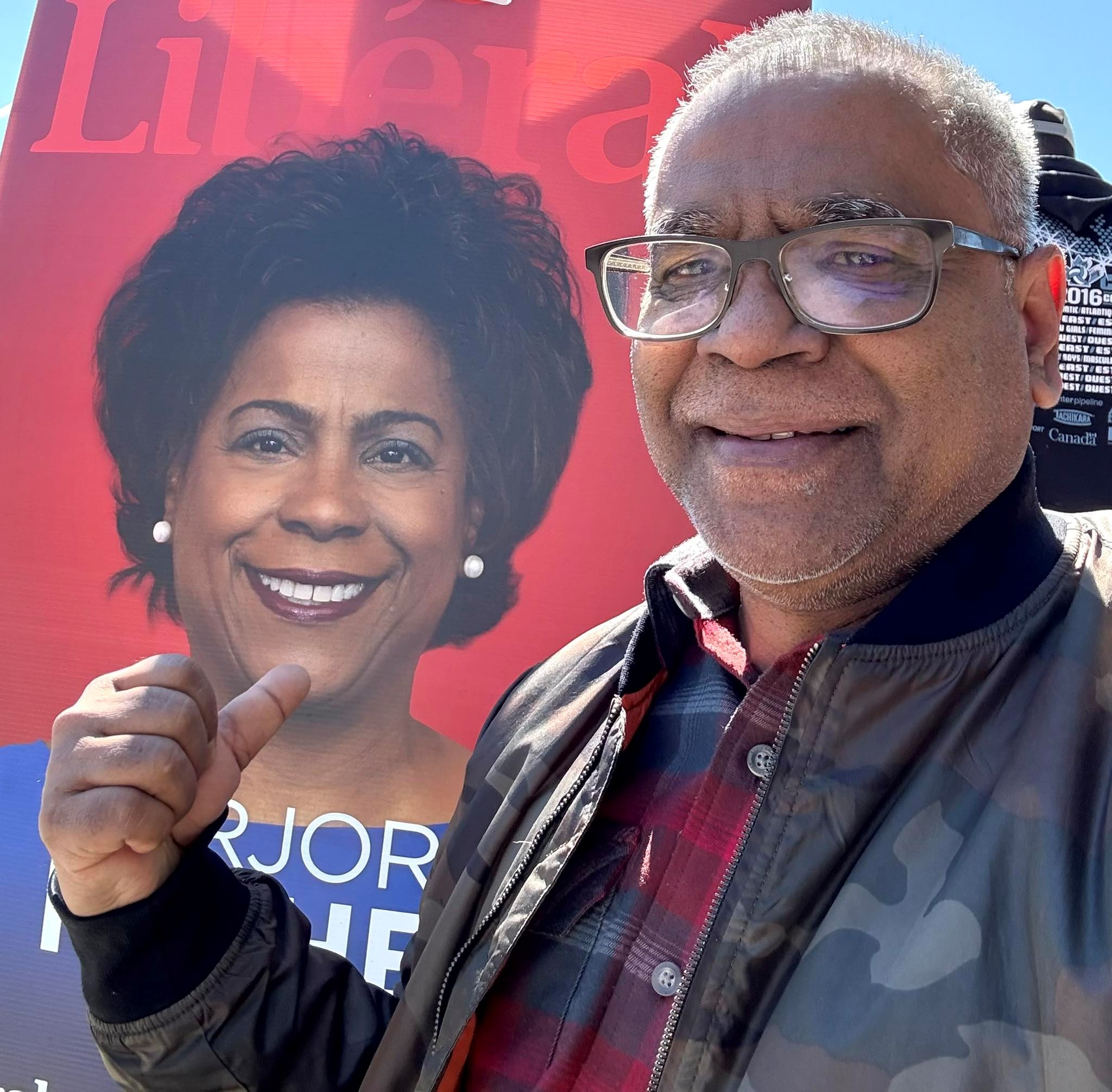
Health Minister Marjorie Michel’s recent comments during a press conference in New Brunswick her first public acknowledgment of concerns surrounding VISP were telling in their vagueness. “We heard that some people are complaining about it,” she said. “We will try to improve.” But Canadians don’t need vague promises or bureaucratic reassurances they need results. Especially those who are living with debilitating conditions caused by vaccines they were told were safe and in the public interest.
The numbers speak for themselves: of the 3,317 claims submitted to VISP, only 234 have been approved. That’s about 7%. Meanwhile, more than half of the claims remain unresolved. This is not just a backlog it’s a failure of the system to treat these individuals with dignity and urgency. It is absolutely unacceptable that people who stepped up for public health are now being forced to wade through red tape while their health and often, their financial security deteriorates.
Perhaps even more alarming is the distribution of funds. Out of the $54 million that Ottawa has so far allocated to the program, only $18 million has gone toward actual compensation. The remaining $36 million? Administrative costs. That’s two-thirds of the funding being used not to help people, but to run the program itself one that has been widely criticized for being slow, unresponsive, and ineffective.
The program is run by Oxaro, a consulting firm based in Ottawa. According to a letter from Conservative MPs, not only was Oxaro awarded more than $50 million to run VISP, but there are also serious questions about the firm’s qualifications and professionalism. Applicants have reported long delays, rude case workers, and a compensation process so opaque and convoluted that it might as well have been designed to deter people from completing it.
One applicant who developed myocarditis said the amount he received didn’t even cover a year’s worth of his medical bills. Another, who developed a neurological disorder, recounted being shuffled between dismissive case workers. Others have echoed the same frustrations: a lack of communication, inadequate compensation, and no clear recourse when denied.
And let’s not forget the broader numbers. Health Canada itself reported nearly 59,000 adverse events after immunization, with over 11,000 of those considered serious. These are not hypothetical risks they are real people, real lives, and real consequences.
So when Minister Michel says, “Every option is on the table,” in response to whether Oxaro’s contract will be renewed, it shouldn’t be. A program this broken needs a complete overhaul, not a contract extension.
Canadians deserve better. They deserve a system that treats their suffering with empathy, one that compensates fairly and quickly, and one that doesn’t hide behind administrative jargon and third-party outsourcing. The government called on Canadians to do their part during the pandemic. Now it’s time for Ottawa to do its part for the very people who answered that call.

