
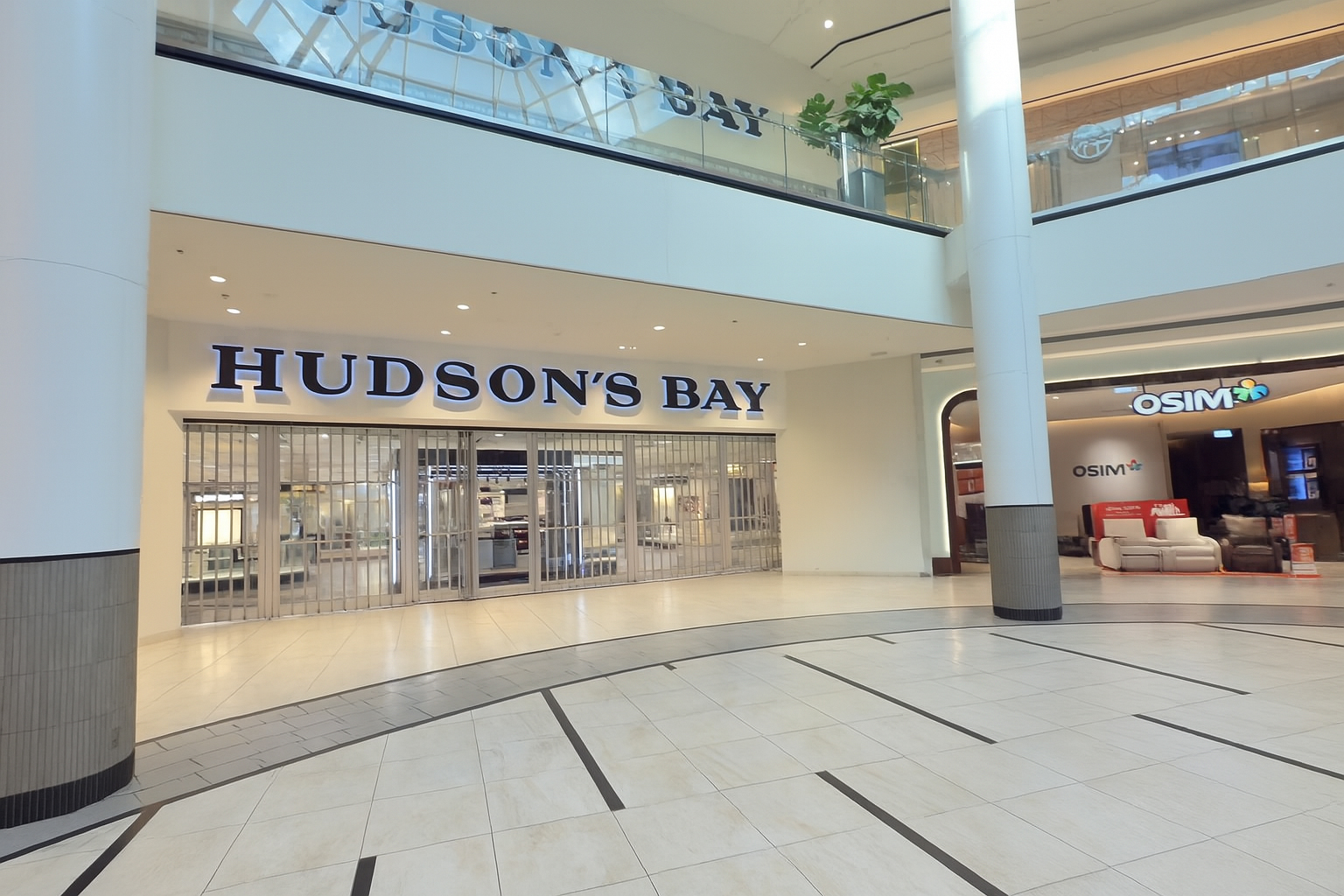
In the unraveling saga of Hudson’s Bay’s downfall, the gloves are off—and the finger-pointing is as fierce as it is messy. At the center of it all is a bitter court battle between the defunct department store and one of its largest lenders, Hilco Global. Both sides are now slinging accusations over who’s to blame for the botched liquidation, a controversial lease sale, and the growing mountain of costs dragging the retailer further into financial quicksand.
But here’s the thing: this isn’t just a courtroom squabble. It’s a revealing look at how murky, intertwined, and often self-serving the world of corporate restructuring can be.
Hilco, through its affiliates—Restore Capital and Hilco Merchant—is playing multiple roles in this drama. Not only is it a key lender to the Bay, but it also led the liquidation of its stores. Now, Hilco wants more court oversight of the very process it helped shape, claiming the company mismanaged its wind-down and is wasting precious collateral in a “misadventure” of a lease sale to B.C. billionaire Ruby Liu.
Liu, a mall owner with bold ambitions to launch a department store empire under her own name, is trying to buy 25 of the Bay’s leases across Alberta, B.C., and Ontario. She’s already shelled out $6 million to buy back three leases at her malls, and her deposit suggests the full deal could be worth $94 million. That sounds like a win—unless, like Hilco, you think the whole thing is smoke and mirrors.
Restore argues Liu hasn’t offered a credible business plan and that the longer this drags on, the more lenders bleed out in rent and fees. Their patience has snapped. They want the deal killed—or at least a court-appointed “super monitor” to take the wheel.
Hudson’s Bay’s CFO and COO Michael Culhane, however, isn’t having it. In a sharp affidavit filed Sunday, he essentially accuses Hilco of trying to rewrite history—blaming the company for outcomes Hilco either caused, enabled, or should have seen coming.
He’s got a point.
After all, Hilco didn’t just loan money. It also ran the liquidation, supervised the stores, priced the goods, and pocketed a cut of the proceeds. So if things didn’t go as planned—if fixtures weren’t discounted enough or stores weren’t cleared out on time—it’s hard to see how Hilco escapes responsibility. This wasn’t just the Bay’s show. It was Hilco’s too.
That context makes Hilco’s outrage feel a bit like buyer’s remorse.
Of course, both parties are trying to protect their interests. Hilco wants to recoup its investment. Hudson’s Bay wants to salvage value and avoid being steamrolled by aggressive lenders. But amid the legal jabs and posturing, one truth remains: this is a slow-motion collapse, with few good options left on the table.
Culhane insists the Liu deal is the best chance for real money to flow in—and that lenders will benefit if they just hold on a little longer. He even floated the idea of tapping into pension surpluses to make creditors whole. But for lenders staring at mounting costs and dwindling assets, promises aren’t enough. They want hard oversight now, not hopeful maybes later.
Still, it’s hard to ignore the irony: Hilco helped build this house of cards, and now it’s shocked it’s collapsing.
This saga is more than a bankruptcy case. It’s a cautionary tale about what happens when creditors wear too many hats—and when the lines between helper and profiteer blur beyond recognition.
In the end, Hudson’s Bay may be a shell of its former self, but its latest stand in court feels less like denial and more like defiance against a partner who should be sharing the blame—not assigning it.

