
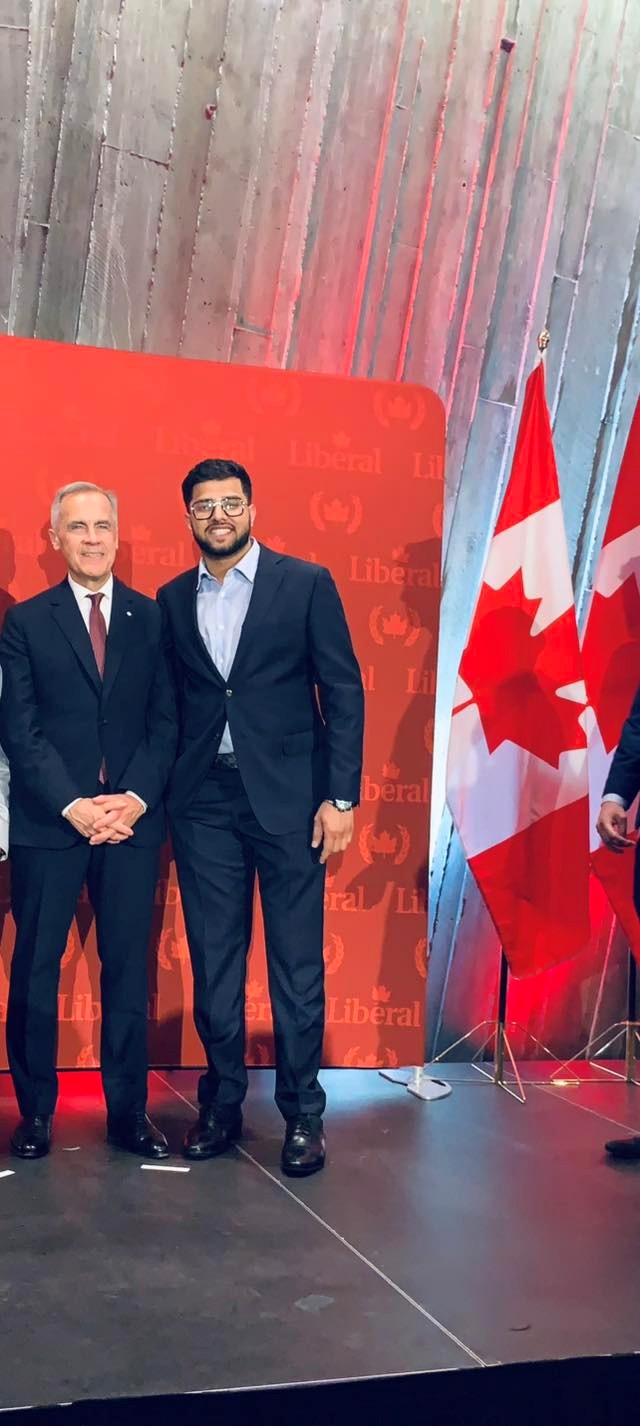
Mark Carney’s announcement this past weekend that Canada will dramatically boost its defence spending signals a turning point for a country that has for years fallen short of NATO’s 2 percent of GDP benchmark. But this isn’t just about pleasing NATO — it’s about securing Canada’s future in a world growing more dangerous by the day.
For decades, we relied on our geographic location and close ties with the USA to keep us comfortable and relatively sheltered from many of the upheavals threatening European and Pacific stability. But now, as Carney rightly points out, the era of outsourcing our defence is over. Rising powers, non-state actor aggression, and growing competition from all quarters — including from the USA itself — are forcing us to reassess not just how much we spend, but how we structure and equip our military.
Some might say we’re reacting late — nearly a quarter of NATO members are already meeting their 2 percent target — and that’s true. But it’s better late than never. Our Royal Canadian Navy finds less than 50 percent of its ships serviceable; our Air Force and Army suffer from decades-old equipment; and we’re sending nearly 75 percent of our defence dollars south of the border instead of strengthening our own industry. That simply isn’t viable in a world where we need to be more self-reliant.
Carney’s move to consolidate the Canadian Coast Guard under the Department of National Defence, launch a specialized procurement agency, and create a research hub for developing cutting-edge technologies signals a much-needed policy shift. We are not just adding zeros to a budget; we’re trying to become smarter, more efficient, and more adaptable in the face of growing cyber and physical aggression.
Some will ask — how will we pay for this without raising taxes, and without adding to the deficit?
Carney’s answer — that the funding will come from “efficiencies” and cuts elsewhere — is ambitious, to say the least. There’s a fine balance to be struck between reallocating resources and making sure we do not undermine health care, education, or other priorities. Nonetheless, it’s a conversation we need to have honestly. The price of under-investing in defence is vulnerability — a vulnerability we can ill afford in today’s climate.
This policy isn’t just about pleasing NATO. It’s about protecting Canadian values, securing our Arctic, safeguarding our industries, and honoring the service of soldiers who put their lives on the line for us. It’s about making sure we are not sitting at the kids’ table when the future of the world is being decided by a handful of powers. It’s about having a seat at the table.
So while this dramatic policy shift will certainly come under heavy scrutiny — from political opponents, from advocates for social programs, from peace organizations — we need to appreciate the context. The world is more dangerous today than it was a few years ago. Our ability to respond must match the scale of the challenge.
Mark Carney is making a decisive move. Whether it’s the right move will be up to future generations to judge — but ignoring the growing risks we face is no longer an option.

