
By any measure, the recent dust-up between the United States and Canada over Ontario’s anti-tariff advertisement has taken an unusual and unfortunate turn. What began as a provincial publicity campaign has spiraled into a diplomatic squabble involving accusations of “election interference,” a threatened 10 percent tariff hike, and even an apology from Prime Minister Mark Carney.
Let’s start with the facts. U.S. Treasury Secretary Scott Bessent clarified on CNN that President Donald Trump has not yet imposed the additional 10 percent tariff on Canada. He emphasized that while Trump had threatened such a move in response to the Ontario government’s ad, it remains only a threat for now. Still, Bessent’s tone made one thing clear: Washington is deeply irritated.
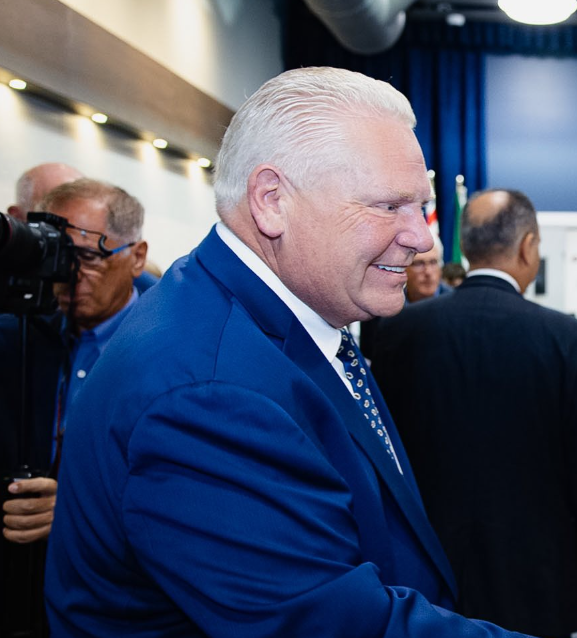
The controversial ad, financed by Ontario to the tune of $75 million, featured clips of former U.S. President Ronald Reagan praising free trade. Ontario Premier Doug Ford said the goal was to remind Americans especially “Reagan Republicans” that tariffs hurt both economies. Yet, instead of sparking a constructive conversation, the ad touched a nerve in Washington.
Bessent’s reaction was scathing. He called the campaign “unacceptable” and even likened it to “election interference,” arguing that no foreign government should be attempting to sway public opinion in another country. It’s an unusually strong accusation against a close ally, but one that resonates in an age of heightened sensitivity to foreign influence.
Trump, meanwhile, didn’t hold back. He accused the ad of misrepresenting Reagan’s words, claiming the footage was used “fraudulently” to make it seem as if Reagan opposed tariffs outright. The historical irony here is thick Reagan did support free trade, but he also implemented tariffs on Japan when he felt U.S. industries were being treated unfairly. The truth, as usual, lies somewhere in the middle.
Premier Ford has since agreed to pull the ads but not before ensuring they aired during the World Series, arguably one of the most-watched events in America. “Mission accomplished,” he might say, having reached American audiences “at the highest levels.” Yet this short-term visibility could come at a long-term diplomatic cost.
Prime Minister Carney, who was reportedly aware of the ad before it ran, has tried to put out the fire. During the APEC summit in South Korea, he personally apologized to Trump, admitting that the ad “was not something I would have done.” But by then, the damage was done. Trump, never one to let perceived slights slide, promptly announced that all trade talks with Canada were off the table.
The deeper issue here isn’t about a single advertisement it’s about how fragile U.S.-Canada relations can become when politics overshadows partnership. Ontario’s intentions may have been good: defending Canadian workers and businesses from U.S. tariffs. But its execution was clumsy. Running a multimillion-dollar ad across American networks, during a heated election season, was bound to be interpreted as meddling especially in Trump’s America.
At the same time, Washington’s reaction feels disproportionate. To label a Canadian ad “election interference” stretches the definition beyond reason. Canada is not Russia, and Doug Ford is not running a troll farm in Ontario. The ad might have been provocative, but it was also transparent and publicly funded hardly the stuff of covert influence campaigns.
The lesson here is simple but important: allies need thicker skin and steadier diplomacy. If every political message or misstep becomes a flashpoint for economic retaliation, then the U.S.-Canada relationship one of the strongest in the world risks being reduced to a series of petty feuds.
Trade disagreements are inevitable. Misunderstandings happen. But what should never be lost is perspective. Tariffs may win headlines, and ads may score political points, but real leadership means knowing when to rise above both.

