
The haunting images of emaciated Israeli hostages recently released by Hamas and Palestinian Islamic Jihad should have shocked the conscience of the world. Instead, we find ourselves in a surreal diplomatic moment: even as men like Evyatar David and Rom Braslavski appear on camera in frail, desperate states after more than 660 days in captivity, Western governments are moving ahead with plans to recognize Palestinian statehood without conditions.
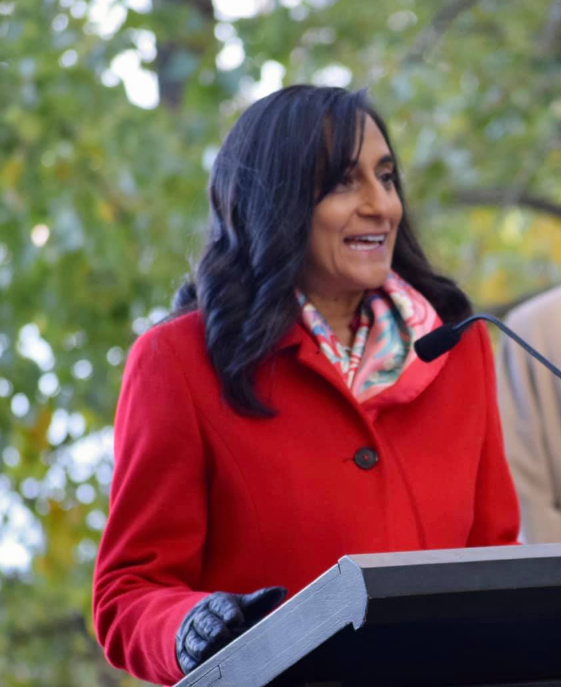
Canadian Foreign Affairs Minister Anita Anand’s Aug. 3 statement captured the human urgency of the moment: “The immediate release of all hostages from Gaza is imperative.” She is right. The grainy videos released from Gaza tunnels are not just propaganda; they are proof of prolonged suffering, deliberate cruelty, and the utter absence of humanitarian norms by Hamas. Yet Canada, following France and the United Kingdom, is signaling to the Palestinian Authority and indirectly to Hamas that recognition of statehood can proceed regardless of these brutal realities.
Prime Minister Mark Carney’s decision to back Palestinian statehood at the upcoming U.N. General Assembly in September was framed as a step toward peace. France’s Emmanuel Macron has offered similar assurances. The U.K., to its credit, at least tied recognition to conditions such as a ceasefire. But Canada and France have chosen not to impose such prerequisites. The message? That diplomacy can move forward even as hostages remain in underground cells and humanitarian aid is intercepted in staggering quantities before reaching the needy.
Israel has called this a “reward for Hamas,” and it’s not hard to see why. On Oct. 7, 2023, Hamas orchestrated a bloody cross-border attack, killing around 1,200 people and kidnapping 251. That atrocity, according to Hamas itself, is what helped spark this new wave of recognition for Palestinian statehood. As Hamas official Ghazi Hamas recently boasted, “The initiative by several countries to recognize a Palestinian state is one of the fruits of Oct. 7.”
Recognition without reform is not peacebuilding it’s appeasement. The Palestinian Authority under Mahmoud Abbas has not held elections in nearly two decades. Gaza remains under the authoritarian grip of Hamas, which openly rejects Israel’s right to exist. Yet Western leaders are betting on Abbas to bring reforms and lead peace efforts, despite his limited control and dwindling legitimacy.
This is not to say the Palestinian people do not deserve a state. They do. But they also deserve a leadership committed to peace, democratic governance, and basic human dignity qualities absent from both Hamas and the current Palestinian Authority. Recognition in the middle of a hostage crisis and active war sends the wrong message: that violence pays.
True peace requires more than symbolic U.N. votes. It requires conditions that make peace sustainable an end to hostage-taking, dismantling of terrorist infrastructure, credible governance in Palestinian territories, and security guarantees for Israelis. Without these, recognition risks becoming a hollow gesture that undermines the very stability it seeks to promote.
Canada should remember that moral clarity matters in diplomacy. And right now, moral clarity means standing with the victims still trapped in Gaza, demanding their release not rewarding their captors with premature political legitimacy.

