
Canada’s housing crisis is now a defining national issue. So when the Liberals promised during the spring election campaign to slash municipal development charges in half, it seemed like a bold if controversial move to bring down the cost of building homes. Yet, as of this week, it’s looking increasingly like another pledge that may fade into bureaucratic uncertainty.
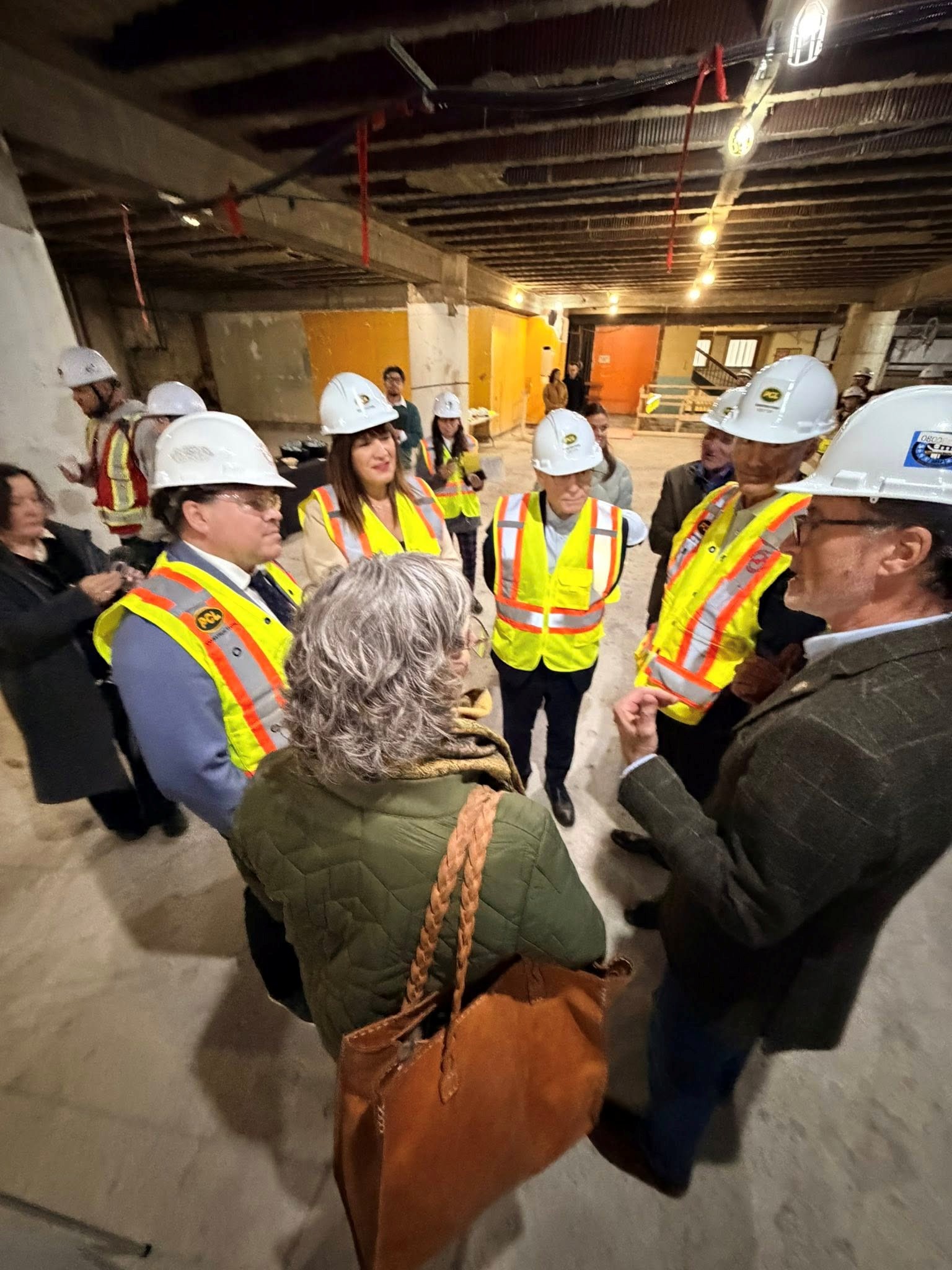
Housing Minister Gregor Robertson was in Toronto on Tuesday to announce federal funding for sewer upgrades and the first project under the new Build Canada Homes agency. But when asked directly if the government still plans to follow through on its promise to cut development fees, he didn’t give a straight answer.
Instead, Robertson offered carefully worded optimism: “Development charges are a significant challenge for the cost of building across Canada, and that’s why we made a commitment to reduce those charges.” He added that the government is still “working through that process” with provinces and territories, and hinted that more details could come in the federal budget on November 4.
That kind of political hedging doesn’t inspire much confidence especially when builders, cities, and homebuyers are desperate for clarity.
Development charges those hefty fees developers pay to municipalities to help fund roads, sewers, and other local infrastructure have become a lifeline for city budgets. In Toronto and Vancouver, they’ve grown dramatically over the past decade, turning into a significant revenue stream. But they also raise the cost of every new home, deepening the affordability crisis.
The Liberals’ platform promise was designed to tackle that head-on, proposing a 50 percent reduction in partnership with provinces and municipalities, with Ottawa stepping in to help fill the revenue gap through federal infrastructure investments. It was an ambitious plan that acknowledged a hard truth: you can’t fix Canada’s housing shortage without addressing the costs embedded in how we build.
Toronto Mayor Olivia Chow, who joined Robertson at the announcement, seemed to understand that reality. She admitted that financing remains a major roadblock for many builders. Her message was simple and pragmatic: bringing down construction costs must be the priority.
Robertson echoed that sentiment, saying infrastructure and development charges are deeply linked. Yet without a clear federal commitment to reform those fees, cities like Toronto may be left balancing housing goals against infrastructure needs a tug-of-war that almost always ends with higher costs for homebuyers.
To be fair, the minister did deliver something tangible: $283 million in federal funding for sewer upgrades that will support an additional 63,000 homes, matched by $425 million from the city. That’s a step in the right direction, and it shows how infrastructure investment can directly enable more housing.
Still, the bigger picture looms large. Ottawa can’t have it both ways calling for rapid housing construction while avoiding tough decisions about the fees and policies that make building so expensive in the first place.
If the government is serious about addressing the housing crisis, it needs to back up its promises with action. The time for cautious language and “working through the process” has passed. Canadians are waiting for homes, not hedged answers.

