

The verdict in the Coutts blockade case is in: two men accused of conspiring to murder RCMP officers during the 2022 “Freedom Convoy” protests have been found not guilty of that central charge. Anthony Olienick and Chris Carbert walked away without convictions for conspiracy to commit murder, though they were found guilty of other serious offenses, including weapons charges.
On paper, this is a win for the justice system a jury weighed the evidence and decided prosecutors didn’t prove beyond a reasonable doubt that the men had a murder plot. But it also leaves us with uncomfortable questions about where the line between “protest” and “threat” really lies.
The Coutts blockade was not some symbolic sit-in. It was a two-week standoff at one of Canada’s busiest border crossings, tying up trade and threatening livelihoods on both sides of the U.S. border. Guns, body armour, and even pipe bombs were found in connection with the group. If that’s not the sign of something darker than political dissent, what is?
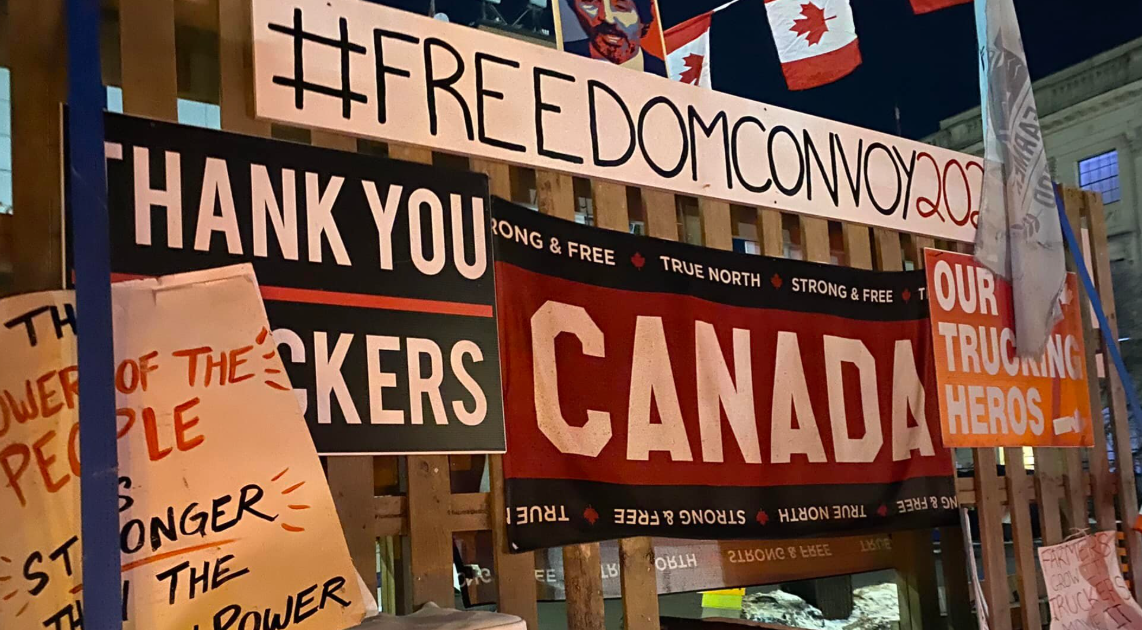
Prosecutors painted the men as extremists ready to spark a revolution, using violence against police if necessary. The jury wasn’t convinced. Their lawyers argued they were simply frustrated citizens, worried about losing freedoms during pandemic restrictions, without intent to harm. Yet evidence showed Olienick once told undercover officers that RCMP were “pawns of the devil” and even threatened to “slit their throats.” How does that fit into the narrative of “peaceful protest”?
It’s tempting to treat this verdict as proof that the fears around Coutts were overblown. That would be a mistake. The court’s job is to weigh evidence against the criminal code not to measure the broader social harm or the chilling sense of lawlessness many Canadians felt during the convoy protests.
The bigger picture is this: Canada’s justice system worked as designed, but the political climate that gave rise to Coutts hasn’t disappeared. Distrust in government, anger at institutions, and conspiracy-laden rhetoric are still simmering. We may have avoided a deadly confrontation in 2022, but the tools of violence were very real.
Not guilty is not the same as innocent. And Canada should be asking itself: how do we make sure the next wave of discontent doesn’t end at a blockade armed with pipe bombs?

