
Located on the southwest edge of downtown Montreal, the historic neighborhood of Griffintown is full of modernity and vitality. Once an important industrial area and a working-class neighborhood, Griffintown has transformed over time and overcome many challenges, becoming one of Montreal’s most prosperous modern neighborhoods. Behind this dramatic transformation lies a diverse history spanning two centuries.
Griffintown began to develop in the early 19th century. In 1804, a businesswoman named Mary Griffin bought land here and sold it in small plots. Irish immigrants who had fled their homeland to escape famine settled in the area. The neighborhood was named after Mary Griffin. Factories, warehouses, and shipping docks began to develop around the Lassin Canal, making Griffintown an important industrial area. Working-class families lived near these factories.
In the mid-20th century, the area fell into decline as industrial activity gradually declined. Many residents left the area when factories closed. However, in the early 21st century, new investment began to emerge due to the strategic location of downtown and the Old Port. Real estate projects resulted in the development of luxury condominiums, lofts, and studios. Old industrial buildings were revitalized by combining them with modern architecture.
Today, Griffintown is a hub of innovation and creativity. It is home to numerous tech startups, design studios, and co-working spaces, attracting a young and dynamic workforce. Recreational opportunities such as kayaking, cycling, walking, and rollerblading surround the Lassin Canal. Green spaces such as Parc des Bassins and St. Ann’s Park offer great views of the water and the city skyline.
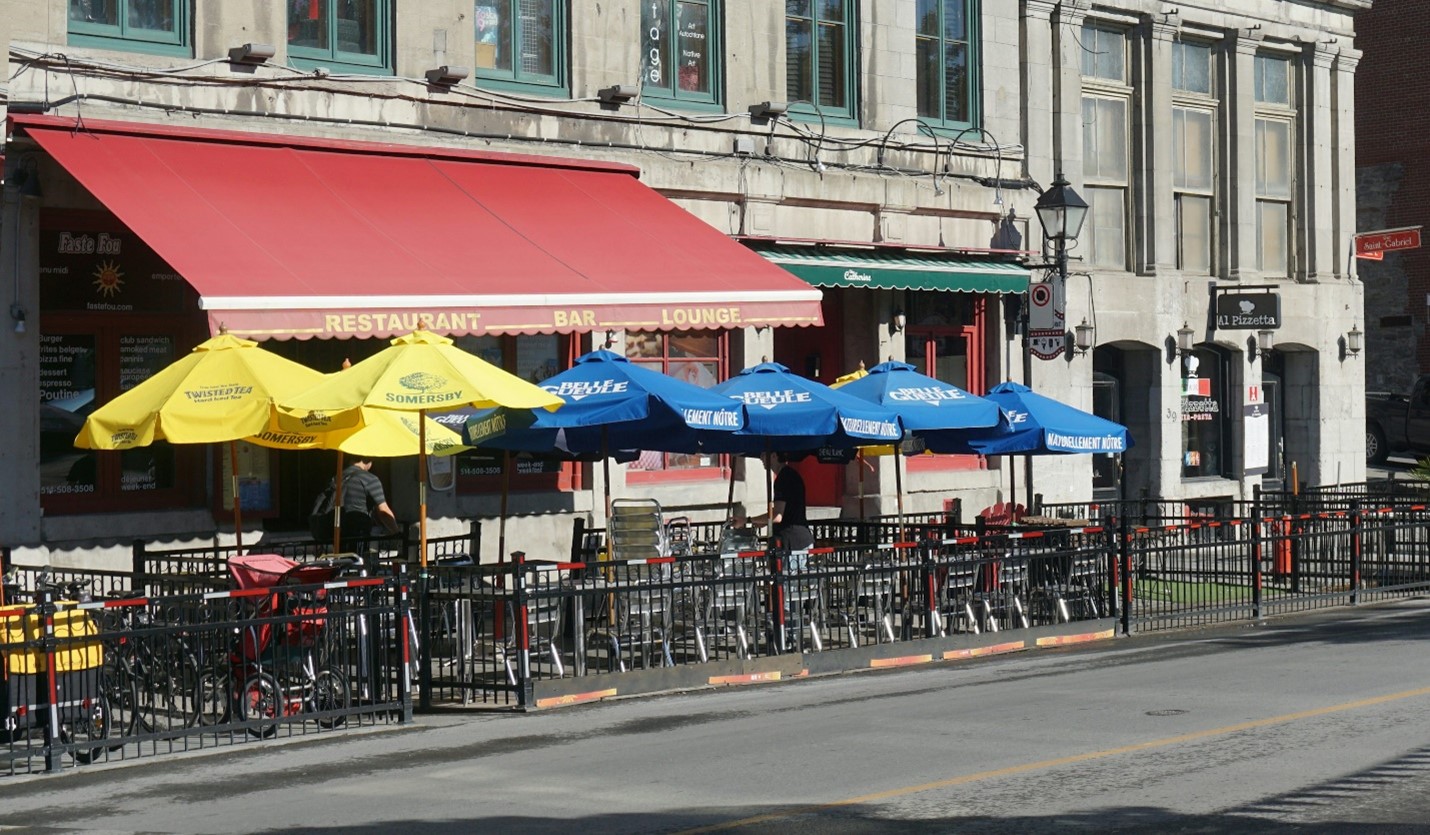
Griffintown has a vibrant nightlife. There are numerous cafes, bars, and restaurants with a variety of flavors that attract foodies. In addition, events such as seasonal markets, food festivals, outdoor concerts, and the traditional St. Patrick’s Day Parade enrich the area’s cultural calendar.
According to the 2021 census, Griffintown had a population of approximately 12,000. There are no single detached homes. Most properties are in the condo, studio, and loft categories. According to 2024 sales data, the average price of a one-bedroom condo was $385,000 and a two-bedroom condo was $607,000. A 300-square-foot studio was $275,000. A 300-bed student housing unit is currently under construction.
Griffintown residents complain about parking problems, traffic congestion, and the lack of an elementary school. There is also controversy over the height of some properties. Still, Griffintown is a symbol of remarkable transformation, with its perfect blend of past memories, culture, and modern life. What was once a neglected working-class neighborhood has now become one of Montreal’s most important areas for innovative businesses, architecture, and art. The story of this transformation is a shining example of the creativity and resilience of its people.

