
Canada’s auto theft crisis has become a barometer for a much bigger issue: organized crime groups are adapting at a pace our systems still struggle to match. A new report from Équité Association lays out the numbers, but the story behind them is far more troubling and far more personal for Canadians who continue to foot the bill.
Once again, higher-end SUVs and pickup trucks dominate thieves’ wish lists. The Toyota RAV4 tops the 2024 rankings, with more than 2,000 units stolen across the country. It’s easy to understand why: global demand, simple resale, and weaknesses in keyless-entry security systems make it the ideal product for criminals seeking low risk and high return.
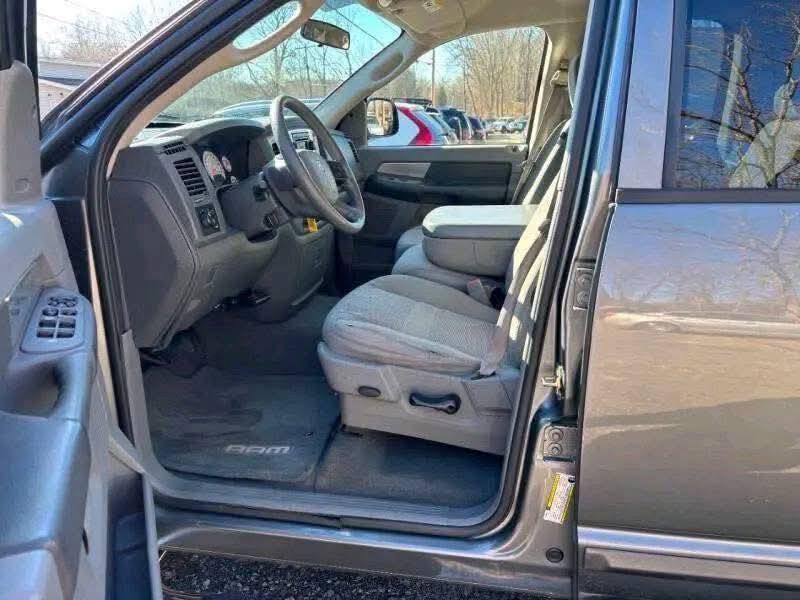
The rest of the top five Dodge RAM 1500, Honda CR-V, Ford F-150, and the lone car on the list, the Honda Civic reflects a familiar pattern. Criminals aren’t looking for rarity; they’re looking for reliability, resale value, and quick opportunities.
The uncomfortable truth? These aren’t joyrides or petty thefts they’re business operations. Organized crime rings in Quebec and Ontario treat vehicle theft like an industrial enterprise. And as Équité’s report makes clear, the newer the model, the more attractive it is.
Despite a 19 percent drop in thefts since 2023, the economic toll still sits above a staggering $1 billion annually in insurance claims. That cost doesn’t vanish it echoes through higher premiums, reduced resale values, and the emotional toll on owners who lose not just a vehicle, but often their peace of mind.
Terri O’Brien of Équité Association puts it bluntly: stolen vehicles are funding organized crime. We are no longer discussing opportunistic criminals; we are dealing with coordinated operations that stretch from Canada’s suburbs to ports shipping vehicles to the Middle East and Africa.
Even the tactics are evolving. According to investigative VP Bryan Gast, re-VINing altering a car’s identification number has surged, as has the trend of disassembling cars in illegal chop shops. Luxury thefts have exploded by nearly 50 percent, driven by criminals seeking bigger payouts to justify increased risks.
The regional differences tell their own story. Ontario and Quebec remain ground zero for theft of late-model SUVs and trucks. Alberta thieves focus on older pickups. Atlantic Canada’s top stolen vehicles skew older still. Crime evolves to fit local markets and vulnerabilities.
The federal government’s National Action Plan, launched last May, is a step in the right direction. Increased cargo inspections, better intelligence sharing, and cooperation across policing levels have measurable impact the CBSA seized over 2,200 stolen vehicles in 2024 alone.
But the progress feels incremental compared to the scale of the problem. Organized crime rings aren’t merely stealing cars; they’re exploiting cracks in security standards, border enforcement, and the auto industry’s lagging technological response.
Canada’s auto theft crisis won’t end with more press releases and periodic crackdowns. It requires deeper structural changes:
- Stronger industry-wide security standards
- Greater investment in border screening capacity
- Immediate technological upgrades for keyless-entry vulnerabilities
- Faster data sharing between manufacturers, insurers, and law enforcement
Most importantly, it requires recognizing that this isn’t just an insurance issue or a policing issue. It’s a national security and economic stability issue.
Until Canada treats it that way, thieves will continue treating our vehicles as their next high-profit export.

