
The recent defection of Conservative MPs to the Liberal Party has reignited a familiar debate in Ottawa: is this about principle, or power?
Conservative Leader Pierre Poilievre insists it is neither chaos nor cracks within his party that are driving MPs across the floor, but rather a calculated Liberal strategy to cling to power. Speaking to CBC’s Rosemary Barton Live, Poilievre doubled down on what he says is the glue holding Conservatives together affordability.
“Affordability, affordability, affordability,” Poilievre repeated, framing the issue as not just a policy priority, but a shared belief system. In his telling, Canadians are struggling to fill their fridges and bank accounts after a decade of Liberal governance, and rising food prices are the direct result of what he calls Mark Carney’s “hidden Liberal taxes.”
The message is clear: Conservatives, according to Poilievre, are united by the idea that ordinary Canadians should be able to live with dignity full wallets, full fridges, and full stomachs. If that vision resonates, he argues, it’s because the alternative has failed.
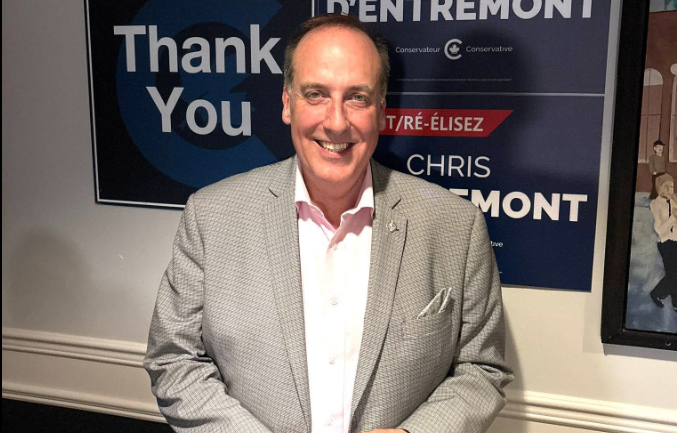
Yet the optics are hard to ignore. Toronto-area MP Michael Ma’s decision to leave the Conservative caucus and join the Liberals on Dec. 11 followed a similar move by Nova Scotia MP Chris d’Entremont just weeks earlier. With these defections, the Liberals now sit just one seat short of a majority government without a general election.
Ma framed his move as a choice to “focus on solutions, not division.” Poilievre dismissed that explanation outright, turning the spotlight back on the prime minister. In his view, this isn’t a leadership problem within the Conservative Party, but a legitimacy problem for Mark Carney.
Poilievre accused Carney of attempting to “manipulate his way through backroom deals” to secure a majority, arguing that if Canadians are to accept higher taxes and larger deficits, they deserve a direct say at the ballot box.
There is irony here. Ma himself had criticized the Liberal government in the House of Commons just days before his defection calling out food inflation, ballooning deficits, and the growing sense of hopelessness among young Canadians unable to find jobs, housing, or timely health care. That makes his sudden shift raise an uncomfortable question: did the problems change, or did the political calculus?
Liberals, for their part, are unapologetic. Government House Leader Steven MacKinnon has openly suggested that other Conservatives may follow, while also conceding that most Tory MPs still support Poilievre’s leadership. Trade Minister Dominic LeBlanc echoed this tone, calling floor-crossing an “absolutely legitimate parliamentary decision,” even as the Liberals edge closer to majority status.
Technically, they are right. Floor-crossing is legal and long embedded in parliamentary tradition. Politically, however, it leaves a sour taste especially at a time when public trust in institutions is fragile.
What this episode ultimately reveals is not just partisan rivalry, but a deeper tension in Canadian politics: the clash between democratic mandate and parliamentary maneuvering. Poilievre is betting that voters will see these defections not as unity, but as opportunism. The Liberals are betting that power, once secured, will justify the means.
In the end, Canadians will decide which narrative holds more weight at the grocery store, at the ballot box, or both.

