
January 3rd, 2000. The crow’s caw at dawn woke me as I stood in line for a visa at the American Embassy. It was my first time ever going to an embassy. Before this, the farthest I’d been was a bus ride to Kolkata. I’d always dreamed of being the first person in my family to fly to the United States. Shankar’s novels about East and West Bengal had ingrained America in my mind. Across the counter stood a young, fair-skinned American man. He looked like George Clooney, with a constant smile. It seemed like sorrow could never touch him. But inside, I was a bundle of nerves. I could feel the sweat trickling down my spine. The visa officer was asking me questions about why I wanted to go to America, where I would stay, who would pay for the trip, how long I planned to stay, and so on. I don’t even know what I was saying in response. Nothing made any sense.
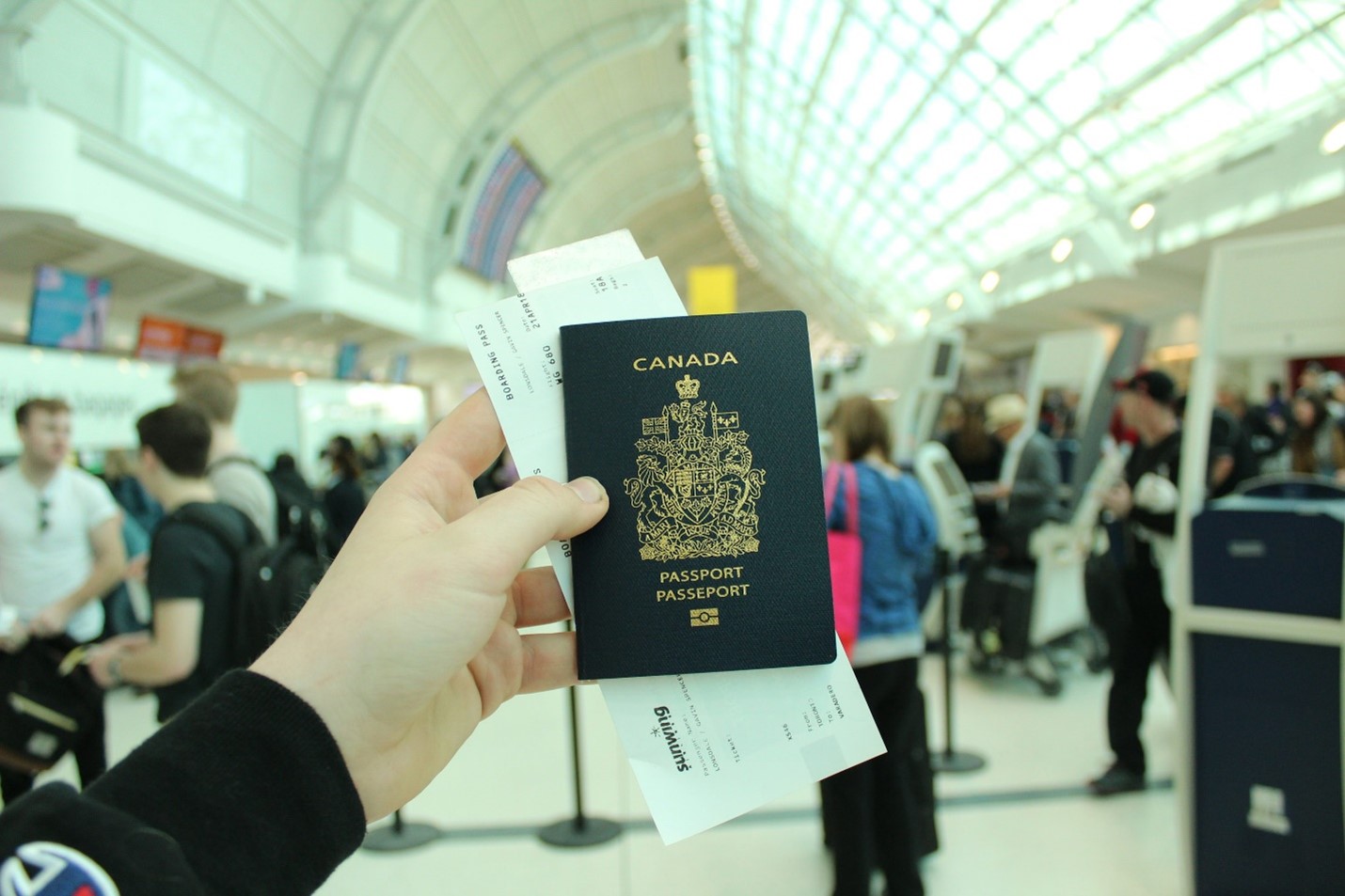
But the officer was nodding sagely. Finally, he asked, ‘Why are you going alone? Why isn’t your wife coming?’ Instantly, a thought struck me, and I replied, ‘The children are young, so they can’t come now. They’ll come later.’ The officer surprised me by saying in Bengali, ‘Inshallah.’ In the afternoon, I went to collect my passport. I was certain they hadn’t given me the visa. There was no reason for them to. But when I saw my passport, I couldn’t believe my eyes. I saw a one-year multiple-entry visa stamp!
I remember attending an international seminar at the United Nations in New York to mark the Millennium 2000. Kofi Annan, the UN Secretary-General, was the chief guest. There were nameplates for all the member countries. I sat down too. There was a speaker in front of everyone, and we had headphones. No matter what language the speaker used, the translation was provided in everyone’s native language. So, even if you didn’t know English, there was no problem. I saw the same system at an NGO program in Washington D.C. that time.
I had heard about the drop box visa process. It offered a chance to get a five-year visa. Taking advantage of this opportunity, I went to Los Angeles in 2003 to apply for Canadian immigration. It’s unusual for people to go to America for an interview. IELTS didn’t exist back then; we had English tests instead. Most interviews were conducted in Delhi. But I went to America. On February 6, 2003, my interview began at the Canadian Visa Center in downtown LA. A beautiful officer, who looked just like Angelina Jolie, was interviewing me. Behind her stood a tall, dark, and handsome man, about seven feet tall. He was observing me with a stern expression. I was sweating nervously. I always get nervous during interviews. Today, it felt like a matter of life and death. I had come so far! If I failed the interview, my dream of going to Canada would be shattered.
They’re asking me all sorts of weird questions in the interview. It feels like a ghost is talking from the other side of the glass. I can’t understand anything. I don’t even know what I’m answering. I’m sure they don’t understand my English at all. The last question I understood was, ‘Do you have anything else to say?’ And once again, I showed my intelligence and am impressed by myself. I said, ‘Did I qualify?’ I needed to know if I passed or failed. If I failed, my trip to America would be ruined. I planned to stay for almost a month. If I passed, my trip would be enjoyable. The woman said, ‘Yes, you qualified. Congratulations! If you want, you can go to counter number 6 to pay the visa processing fee.’ I can’t believe I passed the interview with my terrible English.
Many people come to North America without knowing a single word of English. Even blind people could probably make the plane trip. Everyone works and eats even if they don’t speak good English. The Chinese don’t want to speak English at all, but they’re the most well-off. I’ve had a Gujarati neighbor for 40 years who doesn’t know a drop of English. Even now, I can’t understand many people’s English accents here, but it’s not a problem. Immigration asks a lot of sudden questions, but they don’t detain anyone for their English. When I call customer service, I can’t understand everything because of the different accents, but there’s no problem.
Why does everyone need to know English? Knowing one’s own language well is sufficient. My children never speak a single line of English with us. Aritri doesn’t understand many Bengali words, yet she always tries. Small children born in this country speak beautiful Bengali. Foreigners who come to Bangladesh are proficient in Bengali. American diplomats are taught the language of the country they visit. Lately, I’ve seen a lot of trolling about English. Those who are so concerned about it don’t even know English properly and can’t even speak their own language correctly. So I say knowing ‘yes’, ‘no’, and ‘very good’ is enough.
Toronto, Canada

