
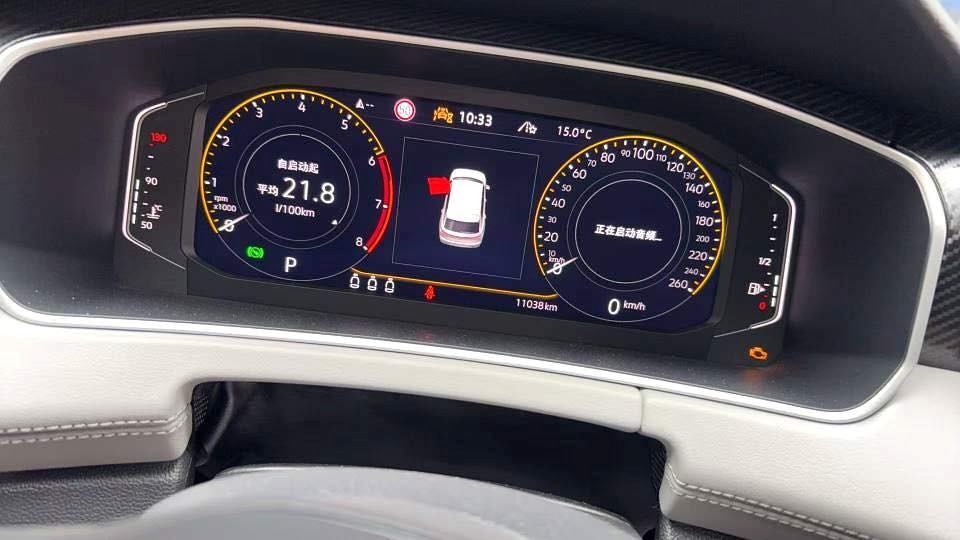
In a recent safety alert, Volkswagen Canada has announced a recall affecting more than 8,040 vehicles nationwide, citing an increased risk of crashes linked to a software malfunction.
The recall targets 2025 models of the Volkswagen Jetta and Volkswagen Taos. According to a notice originally issued on March 25 and later updated on April 2 by Transport Canada, the issue stems from a defect in the vehicle’s software that may prevent the instrument cluster from displaying when the car is turned on.
This malfunction could leave drivers without access to critical driving information such as speed, gear position, warning indicators, and system alerts. Safety officials warn that the absence of these displays may significantly heighten the likelihood of accidents.
Volkswagen has stated that affected customers will receive notification letters by mail, advising them to visit authorized dealerships for a software update. However, it remains unclear whether dealerships currently have all necessary resources to carry out repairs immediately.
The automaker emphasized that while manufacturers are required to notify vehicle owners within 60 days of reporting a recall to authorities, repair solutions may not always be available within that timeframe. Despite this, Volkswagen urges customers to remain vigilant and adhere to any safety instructions provided.
This is not the first recall issued by the company this year. Earlier, Volkswagen flagged an electrical issue in certain 2025 and 2026 Jetta models, where an improperly connected transmission ground wire could lead to overheating and potentially cause a fire.
Meanwhile, Toyota has also issued a separate recall impacting 17,195 vehicles under its luxury brand Lexus. The recall involves multiple models including the NX 350 (2022–2025), RX 350 (2023–2026), and TX 350 (2024–2026) due to a software issue affecting the rearview camera.
Transport Canada reported that the malfunction may prevent the rearview image from displaying when the vehicle is shifted into reverse, reducing driver visibility and increasing crash risk.
Toyota has confirmed that affected customers will be contacted directly and that dealerships will provide free software updates or replacements to resolve the issue.
As vehicle technology becomes increasingly software-driven, these incidents highlight the growing importance of digital reliability in ensuring road safety.

