
Canada’s federal minimum wage is set to increase to $18.15 per hour beginning April 1, marking a 40-cent rise from the current $17.75 rate. The adjustment, announced by Employment and Social Development Canada, reflects the government’s annual effort to align wages with inflation.
According to the department, the increase is tied to the country’s Consumer Price Index (CPI), which rose by 2.1 percent in 2025, as reported by Statistics Canada. The federal wage floor is reviewed every year on April 1 to ensure workers’ earnings keep pace with the cost of living.
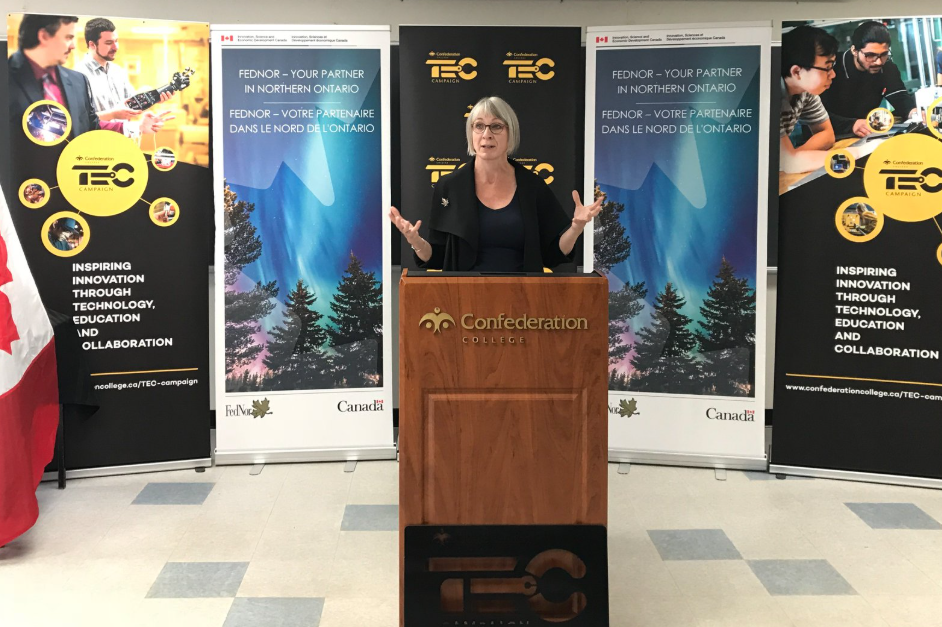
Jobs Minister Patty Hajdu emphasized the importance of the adjustment, stating that indexing the minimum wage to inflation helps protect low-income workers, particularly those employed in federally regulated industries.
Since its introduction in December 2021 under former Prime Minister Justin Trudeau at $15 per hour, the federal minimum wage has steadily increased. It rose to $15.55 in 2022, $16.65 in 2023, $17.30 in 2024, and $17.75 in 2025 representing a cumulative increase of about 21 percent over four years.
The federal minimum wage applies to employees working in federally regulated private sectors, including banking, telecommunications, air transportation, rail services, and postal and courier operations. Employers in these sectors must ensure workers are paid at least the federal rate, or the applicable provincial wage if it is higher.
The wage hike comes amid broader efforts by the federal government to ease the rising cost of living. Earlier this year, Prime Minister Mark Carney introduced measures such as the Canada Groceries and Essentials Benefit and the Food Security Fund. These initiatives aim to support households facing increasing expenses, particularly for food.
Legislation supporting these efforts, including Bill C-19 the Canada Groceries and Essentials Benefit Act received royal assent in February after swift approval in Parliament. The bill boosts GST credit payments, increasing the maximum annual amount by 50 percent for the 2025–2026 year, followed by smaller increases in subsequent years.
Despite these measures, food costs remain a concern. Canada’s Food Price Report for 2026 projects that an average family of four will spend nearly $1,000 more on groceries this year compared to last, with prices expected to rise between 4 and 6 percent.
Meanwhile, several provinces have also adjusted or are preparing to adjust their minimum wages. Ontario raised its rate to $17.60 last October, while Prince Edward Island and Nova Scotia increased theirs to $16.50. Manitoba and Saskatchewan also implemented modest increases.
Further wage hikes are anticipated this spring in provinces such as New Brunswick, Newfoundland and Labrador, and Yukon, while Quebec and British Columbia are expected to follow in May and June, respectively.
Alberta remains an outlier, having kept its minimum wage at $15 since 2018 once the highest in the country but now the lowest among Canadian provinces.
As living costs continue to climb, the latest federal wage increase underscores the government’s ongoing attempt to balance economic pressures with worker protections.

