
Vehicle recalls are no longer rare interruptions in the automotive world they are becoming a familiar headline. The latest round of safety recalls affecting more than 20,000 vehicles across multiple major brands is another reminder that even in an era of advanced technology, quality control failures still find their way onto public roads.
What’s striking about this wave of recalls isn’t just the number of vehicles involved, but the nature of the problems. From faulty wiring harnesses to software failures that can disable airbags or erase vital driving information, many of these issues strike at the very core of vehicle safety. These aren’t cosmetic defects or minor inconveniences; they are failures that can lead to collisions, fires, or serious injuries.
Take Hyundai and Kia, for example. In both cases, towing-related wiring or software issues can interfere with brake lights, warning displays, or even cause electrical short circuits. These problems raise uncomfortable questions about how dealer-installed accessories and software integrations are being tested before vehicles reach consumers. When a brake light fails or a speedometer disappears while driving, the margin for error is essentially gone.
Fiat Chrysler’s recall of Ram trucks is particularly concerning. A software glitch that can shut down airbags, seat belt pretensioners, and electronic stability control while the vehicle is in motion is not something drivers expect in a modern truck. Software is supposed to enhance safety, not silently disable it. As vehicles become more dependent on code, the industry must accept that software failures can be just as dangerous as mechanical ones if not more so.
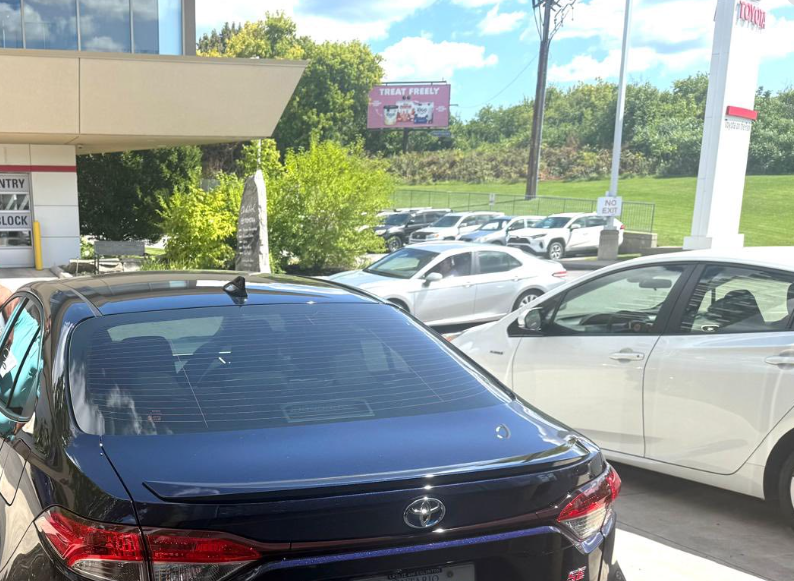
Toyota and Ford, long considered reliability leaders, are also not immune. Toyota’s issue with improperly tightened hybrid system bolts shows how a seemingly small manufacturing oversight can escalate into power loss or even fire risk. Ford’s multiple recalls ranging from axle shaft failures to seat belt and warning system problems highlight a troubling pattern of both manufacturing defects and incomplete recall repairs. A recall that itself needs a recall should be deeply embarrassing for any manufacturer.
Even BMW’s expanded recall of older models reminds us that safety problems can linger for years. The risk of airbag inflators rupturing and sending metal fragments into the cabin is a haunting echo of past airbag crises, and it underscores the long-term responsibility automakers have toward their customers.
To be fair, recalls themselves are not the enemy. In fact, issuing a recall is often the responsible choice. What’s troubling is how frequently these defects are slipping through in the first place. Consumers pay premium prices for vehicles marketed as safe, intelligent, and dependable. In return, they should not be left wondering whether their airbags will deploy, their vehicle will stay in park, or their truck will suddenly lose power on the highway.
For drivers, the lesson is clear: stay informed, take recall notices seriously, and don’t delay repairs. For automakers, the message should be louder and more urgent quality assurance, software validation, and recall execution must improve. Otherwise, recalls risk becoming background noise, and that’s when real danger begins.

