
Ottawa’s latest proposal to overhaul the First Nations child welfare system comes with an eye-catching figure: more than $35.5 billion in funding through 2033–34, followed by an ongoing annual commitment of $4.4 billion. On paper, it sounds like a long-overdue reckoning with one of Canada’s most shameful policy failures. In reality, it is also a reminder of how deep the wounds run and how fragile trust remains between First Nations and the federal government.
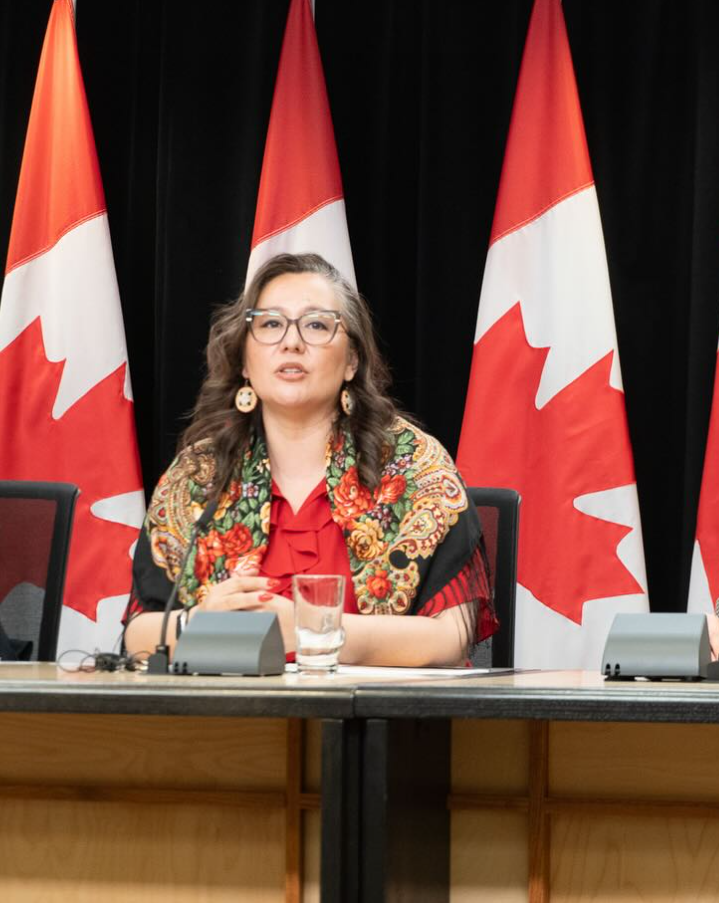
The plan, submitted to the Canadian Human Rights Tribunal, is being framed by Indigenous Services Canada as a “historic turning point.” Indigenous Services Minister Mandy Gull-Masty has acknowledged what Indigenous families have said for decades: governments failed First Nations children, repeatedly and systematically. That admission matters. But apologies and press releases have never kept a child safely at home.
For years, Ottawa underfunded child welfare services on reserves, a practice the tribunal ruled discriminatory in 2016. The consequences were devastating. Far too many First Nations children were removed from their families and communities, not because their parents lacked love or care, but because poverty and inadequate services were treated as grounds for separation. The echoes of residential schools were impossible to ignore.
This new funding proposal recognizes an essential truth: reform cannot be imposed from Ottawa. Indigenous Services Canada says the system must be redesigned by First Nations communities themselves, with regional agreements allowing services to reflect local realities, cultures, and needs. That principle self-determination is arguably more important than the dollar amount attached to it.
Still, skepticism is understandable. Just last year, the Trudeau government proposed a $47.8 billion deal that First Nations rejected as insufficient and poorly structured to truly protect children. More money, it turns out, does not automatically mean better outcomes if it comes without real power, flexibility, and long-term certainty.
The federal government also points to progress on compensation. Since the tribunal’s 2019 order, more than $267 million has been paid to those found to have experienced discrimination under the First Nations Child and Family Services program. For families who waited years sometimes decades for acknowledgment, that compensation matters. But it is not justice in full. It is restitution for harm already done, not a guarantee that future generations will be spared.
What makes this moment particularly significant is that Ottawa’s proposal will not stand alone. First Nations are expected to submit their own competing plan to the tribunal, as mandated by an August order. That sets the stage for a rare and important comparison: a federal vision of reform versus one rooted directly in the lived experience of Indigenous communities.
Ultimately, the question is not whether $35.5 billion is a large sum it is. The question is whether this money will finally dismantle a system that has, for decades, treated First Nations children as a policy problem rather than as children deserving of care, stability, and cultural belonging.
If this proposal becomes another carefully worded promise that falls short in practice, the damage will go far beyond wasted funds. It will deepen cynicism and confirm fears that Canada is still more comfortable managing injustice than ending it.
But if Ottawa truly follows through by listening, sharing control, and committing for the long term this could mark a real break from the past. First Nations children have already paid the price of delay. They cannot afford another “historic turning point” that exists only on paper.

