
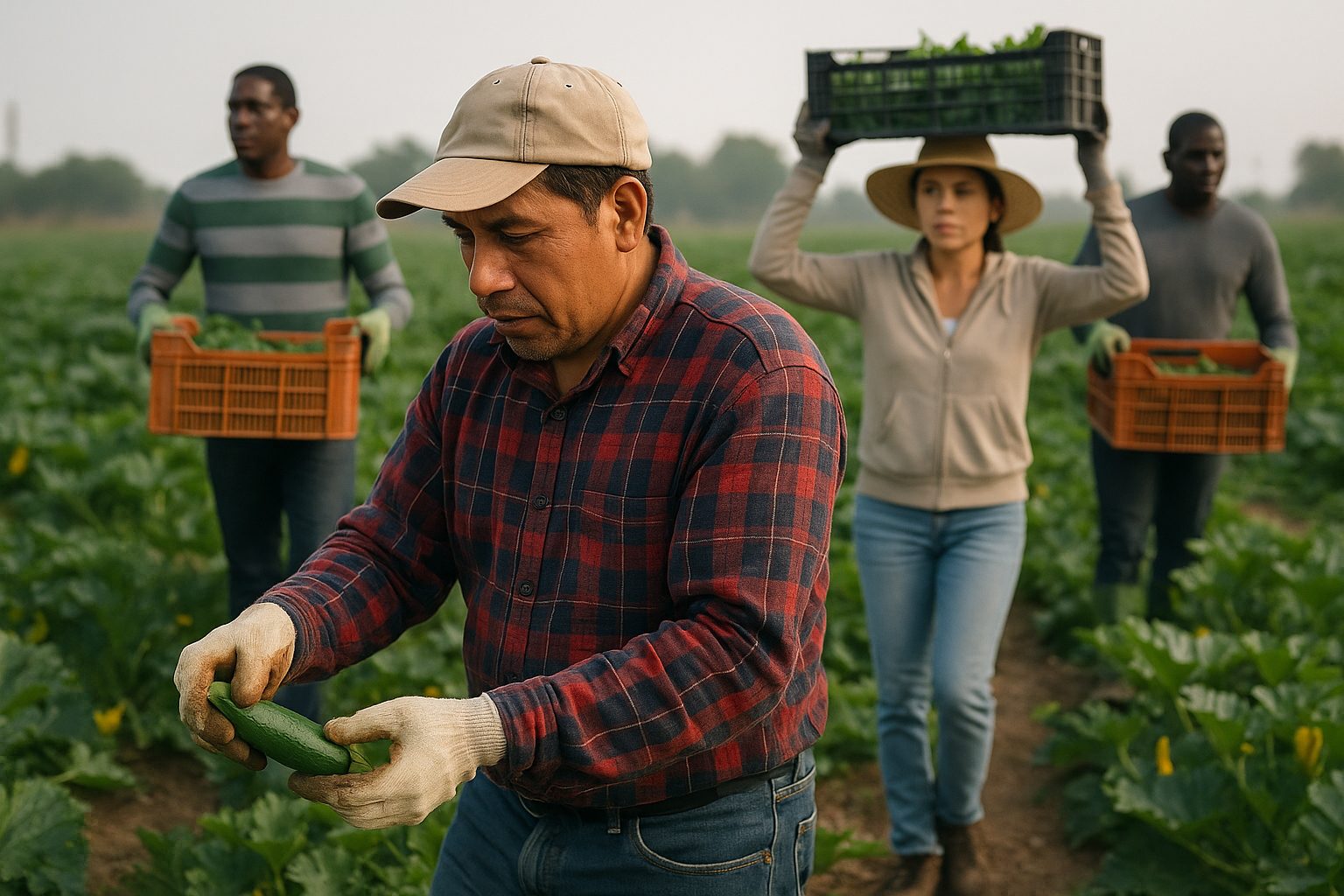
Ottawa’s latest data paints a damning picture of how some Canadian employers have treated the country’s most vulnerable workers temporary foreign workers. Nearly $5 million in fines were handed out this year alone for companies failing to comply with the basic rules tied to their permits. The biggest offender, Bolero Shellfish Processing Inc., was slapped with a staggering $1 million fine and a 10-year ban from the program. It’s a long-overdue step in holding employers accountable but it also exposes deeper issues that money alone can’t fix.
The federal government’s Temporary Foreign Worker Program (TFWP) was designed to fill essential labour gaps. Instead, it’s become a moral and political minefield. For years, critics have accused Ottawa of turning a blind eye while employers underpaid, overworked, and mistreated foreign workers who often have no realistic way to fight back. The recent fines prove what many already knew: exploitation wasn’t the exception it was part of the system.
The new rules introduced last September are an attempt to restore balance. By denying applications in regions where unemployment is above 6%, and by limiting low-wage foreign hires to just 10–20% of a company’s workforce, the government hopes to ensure Canadians get first access to available jobs. It’s a move that makes political sense especially with youth unemployment rising and the Conservatives calling for an end to the entire program.
Still, the crackdown raises important questions. If nearly half of all violations are simply for failing to provide documents to inspectors, what does that say about oversight? About 44% of non-compliance fines since September 2024 were for that reason alone. That’s not just carelessness that’s a culture of disregard.
Yes, employers who break the law should pay and hard. But fines are reactive. They come after the damage is done. What’s missing is a proactive system that protects workers before abuse happens more inspections, more transparency, and real consequences beyond monetary penalties.
The temporary foreign worker program makes up only about one percent of Canada’s workforce, yet it plays an outsized role in sectors like agriculture, construction, and food manufacturing. These workers are vital to the economy. The least we can do is make sure they’re treated with dignity and fairness.
Ottawa’s latest enforcement push is a welcome shift from complacency to accountability. But unless Canada fixes the systemic flaws that allow exploitation to thrive, we’ll be reading this same story again next year with different company names and bigger fines.

