
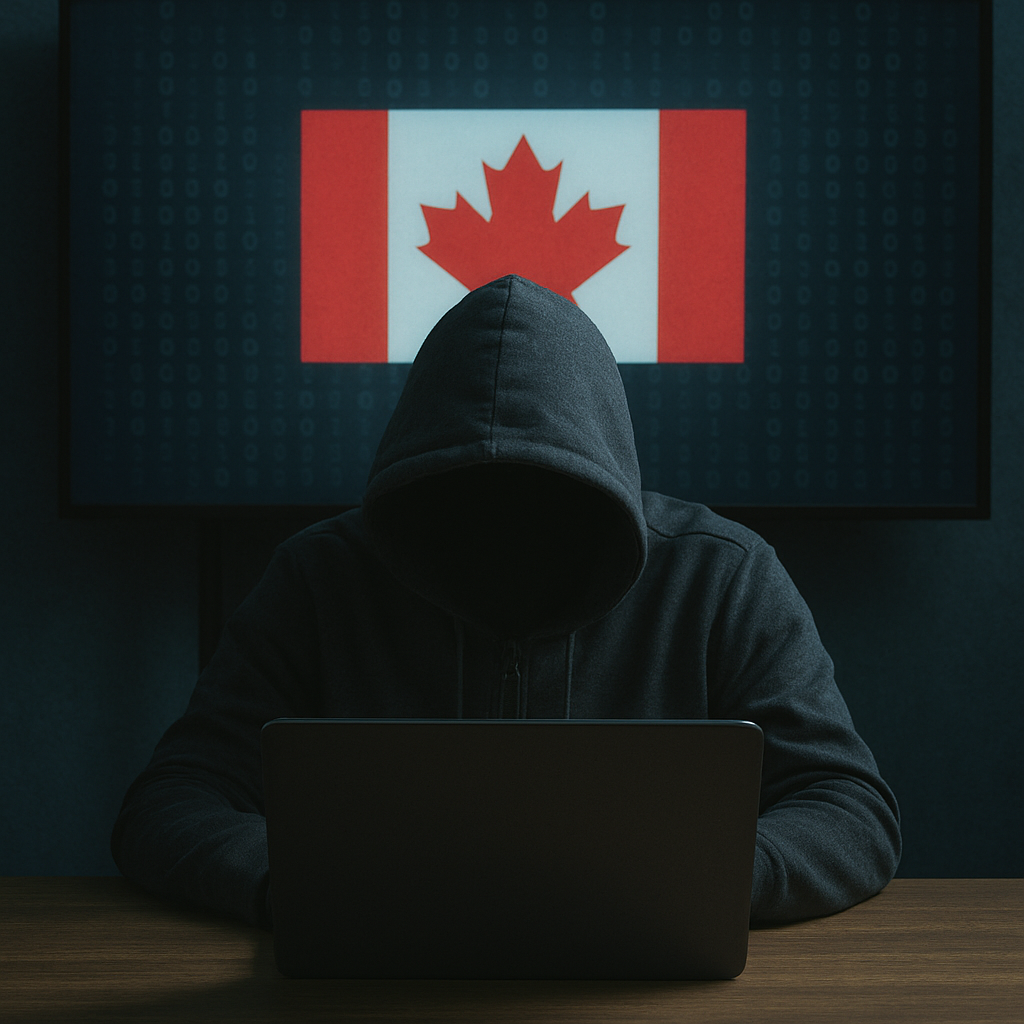
The latest joint advisory from Canada’s cyber and intelligence agencies should jolt us out of any lingering complacency. Canada has now joined a dozen allied nations in publicly warning that Chinese state-sponsored hackers are not merely probing our networks they are embedding themselves to fuel a sweeping global espionage campaign.
At the heart of the advisory is Salt Typhoon, a sophisticated cyber actor that Ottawa says is “almost certainly” responsible for malicious activity aimed at Canadian telecommunications companies. These intrusions are not random. By breaching telecom infrastructure, Beijing’s intelligence services gain the power to track communications and movements worldwide. The target list telecommunications, government, transportation, lodging, military networks reads like a blueprint for controlling the digital arteries of modern life.
Let’s be clear: this is not routine cybercrime. According to Canada’s Communications Security Establishment, these attacks bear the fingerprints of the Chinese state and its military intelligence apparatus. Similar assessments from the FBI and security partners across Europe and Asia reinforce the picture of a coordinated, state-backed strategy to harvest data and monitor global activity.
The implications for Canada are stark. Our telecommunications networks are critical not just for phone calls and internet traffic but for everything from financial transactions to emergency services. A compromise here isn’t just about stolen data it’s about national security and sovereignty. The Cyber Centre’s warning that these campaigns will “almost certainly” continue for at least the next two years underscores the urgency.
This is a moment for more than routine patching of software vulnerabilities. It demands a whole-of-nation approach: tighter collaboration between government and industry, real investment in cyber defenses, and a willingness to attribute and counter these intrusions publicly. Canada cannot afford to lag behind allies that are already moving to harden their networks and confront Beijing’s digital ambitions.
China’s leaders have long used technology companies as an extension of state power. Pretending that commercial ties are somehow insulated from political strategy is no longer tenable. Ottawa and its partners have sounded the alarm. Now it’s on us policy makers, businesses, and citizens alike to treat this for what it is: an ongoing campaign to undermine our security and harvest the lifeblood of our information economy.
Ignoring the warning would be more than naive; it would be reckless.

