
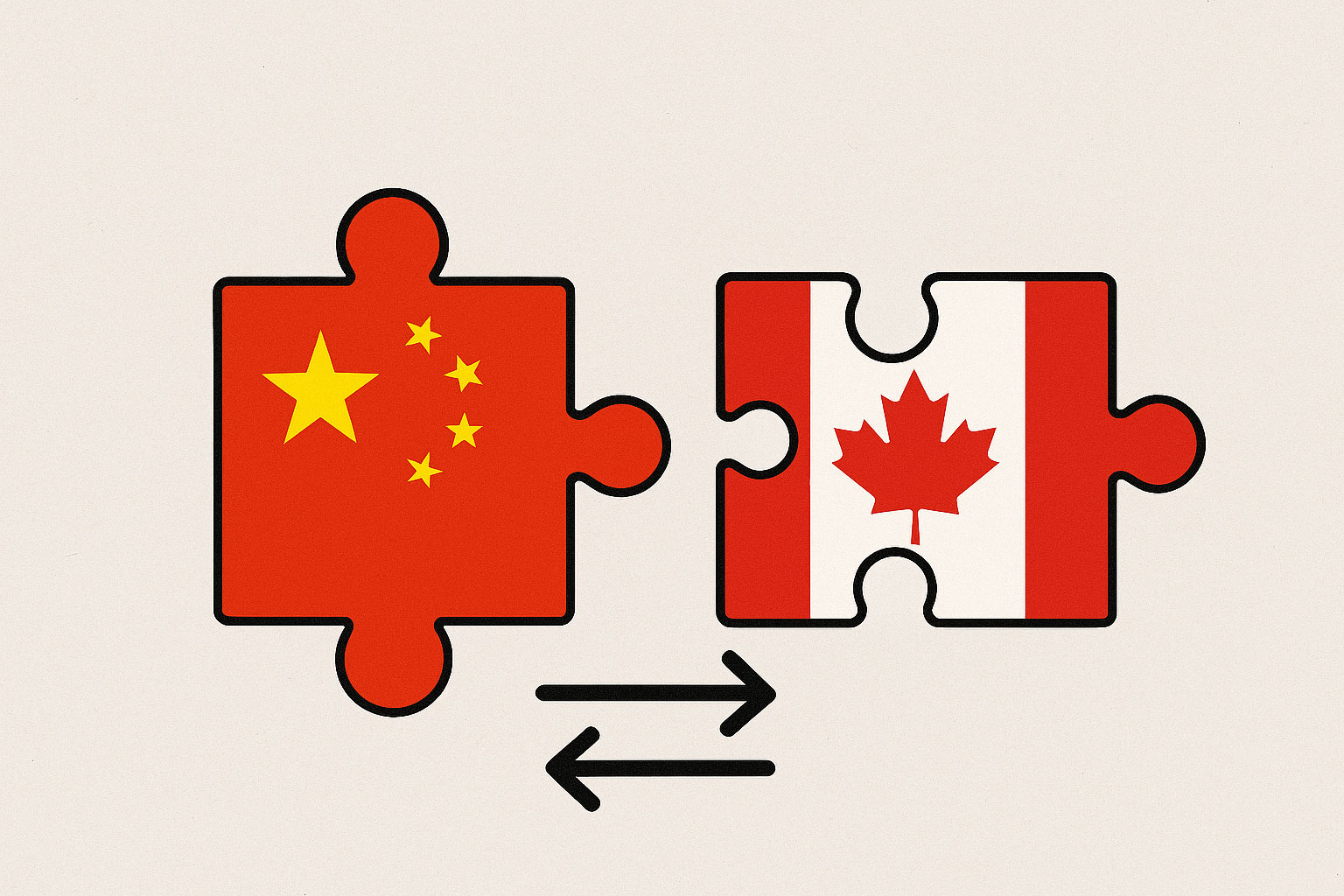
I remember when “Made in China” was a punchline. Growing up in the 1960s, you didn’t buy Chinese-made goods if you wanted something that lasted. Cheap plastic toys, knockoff electronics, things that broke before you even got them home—those were the stereotypes. Fast forward to today, and that narrative has done a complete 180.
Now, “Made in China” often means cutting-edge. From electric vehicles and high-speed trains to TikTok and 5G networks, China is no longer the world’s factory—it’s becoming its innovation lab. Even its space program is rapidly catching up to, if not surpassing, that of the United States. It’s an astonishing transformation, and a lot of people in the West are embracing it. The tech is sleek, advanced, and—crucially—cheap.
But there’s a cost we don’t talk about enough.
Behind the glowing screens and whisper-quiet EVs is a regime that rules with an iron grip. The People’s Republic of China is not just another economic powerhouse. It’s a one-party communist dictatorship that crushes dissent, surveils its population, and bullies its neighbors. Ask the people of Hong Kong, Tibet, or Xinjiang what freedom looks like under the Chinese Communist Party (CCP). Ask Falun Gong practitioners. Ask anyone who’s had the misfortune of falling on the wrong side of the regime.
And yet, for decades, Western countries—including Canada—have tiptoed around these realities. We’ve let economic opportunity blind us to the risks, and in some cases, to the outright dangers.
So it was genuinely surprising—and frankly refreshing—to see the Canadian federal government finally take a stand. On June 27, the Carney-led Liberals ordered Hikvision, a Chinese surveillance camera company, to shut down its operations in Canada. This decision, prompted by a thorough review by our national security agencies, was a long-overdue recognition that Chinese tech companies often act as extensions of the Chinese state.
This marks a significant shift. Canada has historically dragged its feet on matters of national security where China is concerned. Remember Huawei? Our intelligence agencies raised red flags for years before the government finally barred the company from our 5G networks. For years, warnings about foreign interference in our elections were dismissed—some even labeled them racist. And let’s not forget the Winnipeg Level 4 lab debacle, where sensitive biological research allegedly walked out the door, right into the hands of the Chinese government.
This new move is a promising step. It suggests someone in Ottawa is finally listening to CSIS, the RCMP, CSE, and other experts who’ve been sounding the alarm on China for decades. Maybe, just maybe, this government is starting to grasp the gravity of the threat.
Then again, skepticism remains warranted. Not even a month ago, the same government was happy to rekindle trade talks with China. As if Beijing has shown any sign of altering its behavior in Canada. As if dialogue alone will somehow protect Canadian sovereignty or data privacy. Let’s be clear: negotiating tariffs on canola is one thing. Giving the Chinese regime access to our tech sectors and our citizens’ personal data is something else entirely—and far more dangerous.
We’re in a precarious spot. With the U.S. relationship on shaky ground thanks to Trump’s erratic influence, Canada is understandably eager to diversify its global partnerships. But let’s not fall into the trap of thinking that economic diversification requires national security compromise. It doesn’t.
Canada must draw clear lines. We can trade where it makes sense, but we must also be unflinching in protecting our institutions, our elections, our infrastructure, and most importantly, our citizens.
Building a robust security culture in Canada won’t happen overnight. But we have to start somewhere. Listening to our intelligence experts, banning companies that pose national security threats, and holding the CCP accountable for its actions—these are the first bricks in the foundation.
Rome wasn’t built in a day. But if we keep hitting snooze on China, we won’t even have a blueprint.

