
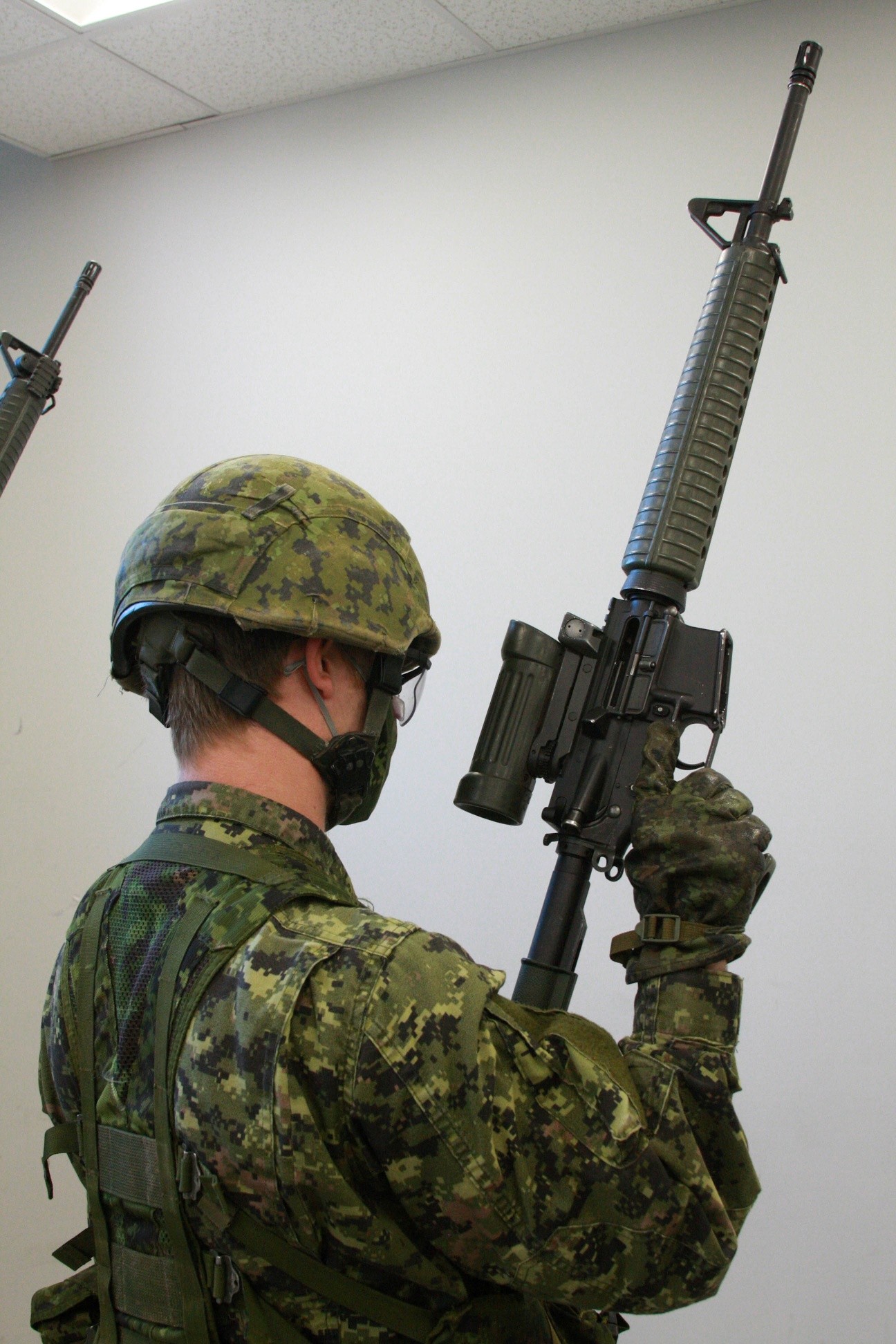
Canada’s military is experiencing a remarkable turnaround in its recruitment numbers — a 55 percent increase in new recruits in 2024–2025, adding 6,706 members to its regular force and exceeding its own target of 6,496. It’s a dramatic improvement from the 4,313 recruits who joined last year and a huge jump from 3,927 the year before. Clearly, something is shifting.
For years, the Canadian Armed Forces (CAF) were battling a shortage of personnel — a “death spiral” in the words of former Defence Minister Bill Blair — struggling to attract enough recruits to match growing responsibilities and a challenging international climate. The shortage raised serious questions about readiness, operations, and the ability to respond when called upon.
Some policy tweaks have undeniably helped. The introduction of probation periods to allow recruits to serve while their medical and security checks were underway has removed a key bottleneck. Rising salaries, benefits, and promises of education and training incentives have made the military a more appealing path. The federal government’s decision to boost defence spending — adding $9 billion this year and meeting NATO’s 2 percent of GDP benchmark — signals a newfound political will to match words with resources.
But for all this progress on the recruitment side, retention is a different story. A leaked Canadian Forces report revealed a disturbing trend: attrition amongst new recruits is nearly double that of more experienced members. Recruits frequently become frustrated by lengthy waits for training and a culture that, in their view, focuses more on internal change initiatives than on preparing soldiers for their actual missions.
This highlights a key challenge for the CAF. Filling the ranks is only part of the battle; retaining those soldiers, and turning raw recruits into a proficient and motivated force, is the true measure of success. The department says it has reassigned resources from a defunct Retention Office to broader initiatives, but it’s hard not to question whether this signals a lack of urgency in addressing a well-documented problem.
Meanwhile, the federal government is framing its defence policy — from the “Our North, Strong and Free” strategy to its “ReArm Europe” policy — in the context of growing international uncertainty. Rising powers are challenging the existing order; the Arctic is increasingly a site of geopolitical competition; and NATO allies, including the USA, are pressuring members to shoulder more of their own defence responsibilities. The dramatic increase in defence funding underscores a newfound resolve to match capabilities to responsibilities.
But we shouldn’t be blinded by raw numbers. Higher recruitment is a step forward — not a solution in itself. The real test will come in retaining those soldiers and developing their skills and loyalty over the long term. Without addressing the root causes of attrition and making a career in the Canadian Armed Forces a viable, rewarding path, we may find ourselves back in the same spot a few years from now — wondering where all our soldiers went and how we fell into another “death spiral.”
Ultimately, strengthening Canada’s military isn’t just about adding more people; it’s about keeping them. That means honoring their service, addressing their complaints, and investing in their future. If we want a strong, adaptable force, we need to treat our soldiers not just as numbers on a page but as people we care about and rely upon.

