
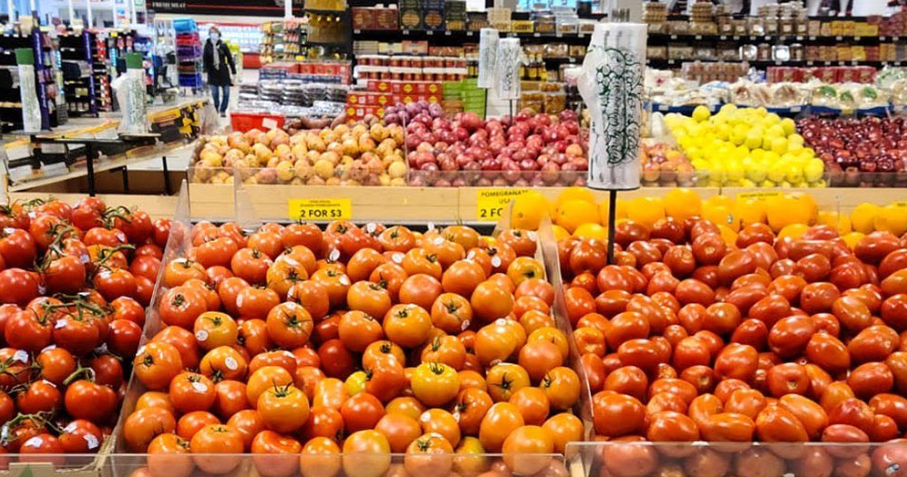
By now, the sticker shock in the grocery aisles has become a national ritual. Milk, bread, meat—everything costs more than it did last year, and Canadians are clearly paying attention. According to the newly released Canadian Food Sentiment Index from Dalhousie University, a staggering 85 percent of us have noticed higher food prices over the past 12 months. And if the forecasts are right, the pain at the checkout counter is far from over.
The most alarming part? Nearly one in three Canadians now expects food inflation to climb above 10 percent over the next year. That’s not just a number—it’s a growing weight on family budgets already strained by housing costs, utilities, transportation, and rising debt. When food becomes the number-one financial worry for most Canadians, surpassing even housing, we have to ask: What’s broken?
One obvious culprit is the ongoing trade war with the United States. While international diplomacy might seem far removed from your local grocery store, the tariffs and countermeasures put in place between Canada and its southern neighbor have very real consequences. Sylvain Charlebois, director of the Agri-Food Analytics Lab, rightly pointed out that Canadians are “connecting the dots between policy and their pocketbooks.” He’s not wrong—when trade disputes interrupt supply chains or slap taxes on essential goods, it’s everyday shoppers who get burned.
It’s not just about prices going up—it’s about what people are doing in response. Canadians are adapting in subtle but significant ways. The Index found more of us are buying from independent grocers and making an effort to support local producers. Purchases of local food jumped by 10 percentage points, with younger shoppers leading the charge. There’s also a growing appetite for grass-fed and cage-free products, suggesting that when Canadians can afford it, they’re choosing food that reflects their values.
Yet here’s the troubling part: while interest in local food is up, the total volume of groceries being purchased is down. That means people aren’t just shopping smarter—they’re buying less. The frugality is evident. Canadians are purchasing more in bulk, avoiding non-essentials, and increasingly choosing cost over taste or nutrition. These aren’t just budgeting decisions—they’re sacrifices.
Interestingly, some traditional penny-pinching methods—like coupons and switching to lower-tier brands—have dipped. Why? Probably because people were already doing them last year. There’s only so much fat you can trim before you’re left with bone.
What emerges from the data is not just a portrait of inflation—we’re seeing the strain of economic fatigue. Canadians have adjusted and readjusted. For many, the elastic has stretched as far as it can go. While a shift toward local and ethical consumption is promising, it’s also being driven by desperation. That’s not sustainable.
The way forward? Political leaders need to pay attention. Addressing food affordability shouldn’t be just a line item in a campaign speech—it should be a top priority. Trade policy, agricultural subsidies, and infrastructure decisions all affect food costs. Canadians have already done their part by tightening budgets and changing habits. It’s time for policymakers to do theirs.
The grocery bill isn’t just a measure of what’s in our carts—it’s a reflection of the health of our economy. And right now, it’s telling us something’s off.

